
Six Classes Of Wheat Grown In The USA
Hard Red Winter
Versatile, with excellent milling and baking characteristics for wheat foods like hearth breads, hard rolls, croissants and flat breads. Hard Red Winter (HRW) is also an ideal wheat choice for some types of Asian noodles, general purpose flour and as an improver for blending.
Hard Red Spring
The aristocrat of wheat when it comes to “designer” wheat foods like hearth breads, rolls, croissants, bagels and pizza crust. Hard Red Spring (HRS) is also a valued improver in flour blends.
Hard White
Hard White (HW) receives enthusiastic reviews when used for Asian noodles, whole wheat or high extraction applications, pan breads or flat breads.
Soft White
Low moisture wheat with excellent milling results, Soft White (SW) provides a whiter and brighter product for Asian-style noodles and is ideal for exquisite cakes, pastries and other confectionary products.
Soft Red Winter
Soft Red Winter (SRW) is a profitable choice for producing a wide range of confectionary products like cookies, crackers and cakes, and for blending for baguettes and other bread products.
Durum
Hardest of all wheats, durum has a rich amber color and high gluten content. Hard amber durum (HAD) sets the “gold standard for premium pasta products, couscous and some Mediterranean breads.
We Manufacture Our Seed-Oils In North America
Sunflower Seed-Oil
Soybean Oil
Olive Oil
Vegetable Oil
Corn Oil
Peanut Oil
Pulses & Legumes Grown And Harvested In The US And Canada
Lentils
Garbanzo Beans / Chick Peas
Lorem ipsum dolor sit amet consectetur adipiscing elit dolor
Kidney Beans
Yellow / Green Split Peas
Lorem ipsum dolor sit amet consectetur adipiscing elit dolor
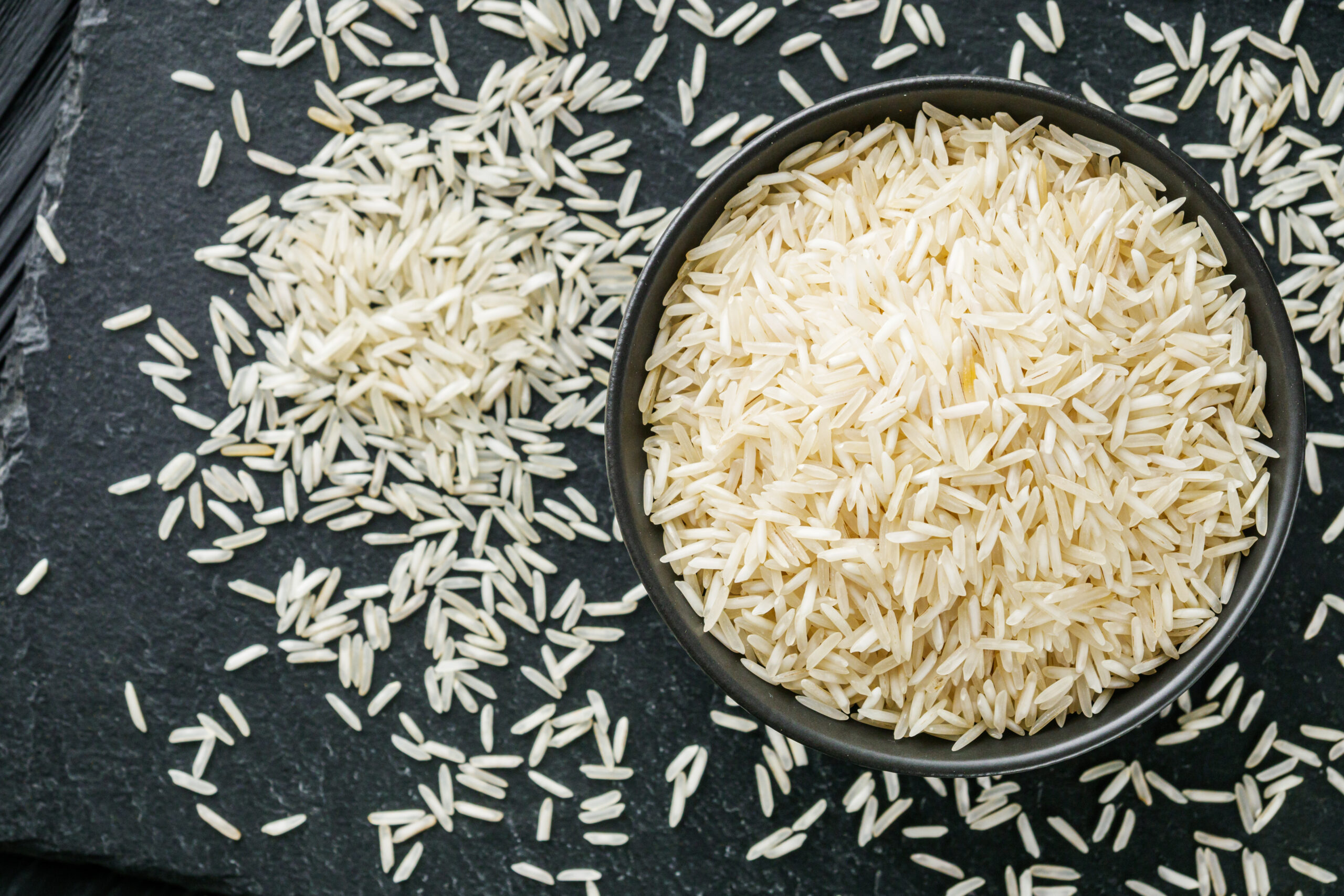
US Grown Rice Ready For Export Globally
- The U.S. rice industry produces 20 billion pounds of rice annually.
- There are 5,563 rice farmers throughout the country that grow rice across a collective 2.8 million acres.
- Most of the farming is done by family farms across six major rice-producing states of Arkansas, California, Louisiana, Mississippi, Missouri, and Texas.
- On average, each rice farm contributes $1 million to their local economy.
- The U.S. rice industry contributes more than $34 billion to the U.S. economy annually and provides jobs for more than 125,000 people in the U.S.
- The U.S. is the 5th largest rice exporter in the world and the largest rice exporter outside of Asia.
- Each year the U.S. rice industry distributes 40 million pounds of rice to combat food insecurity.